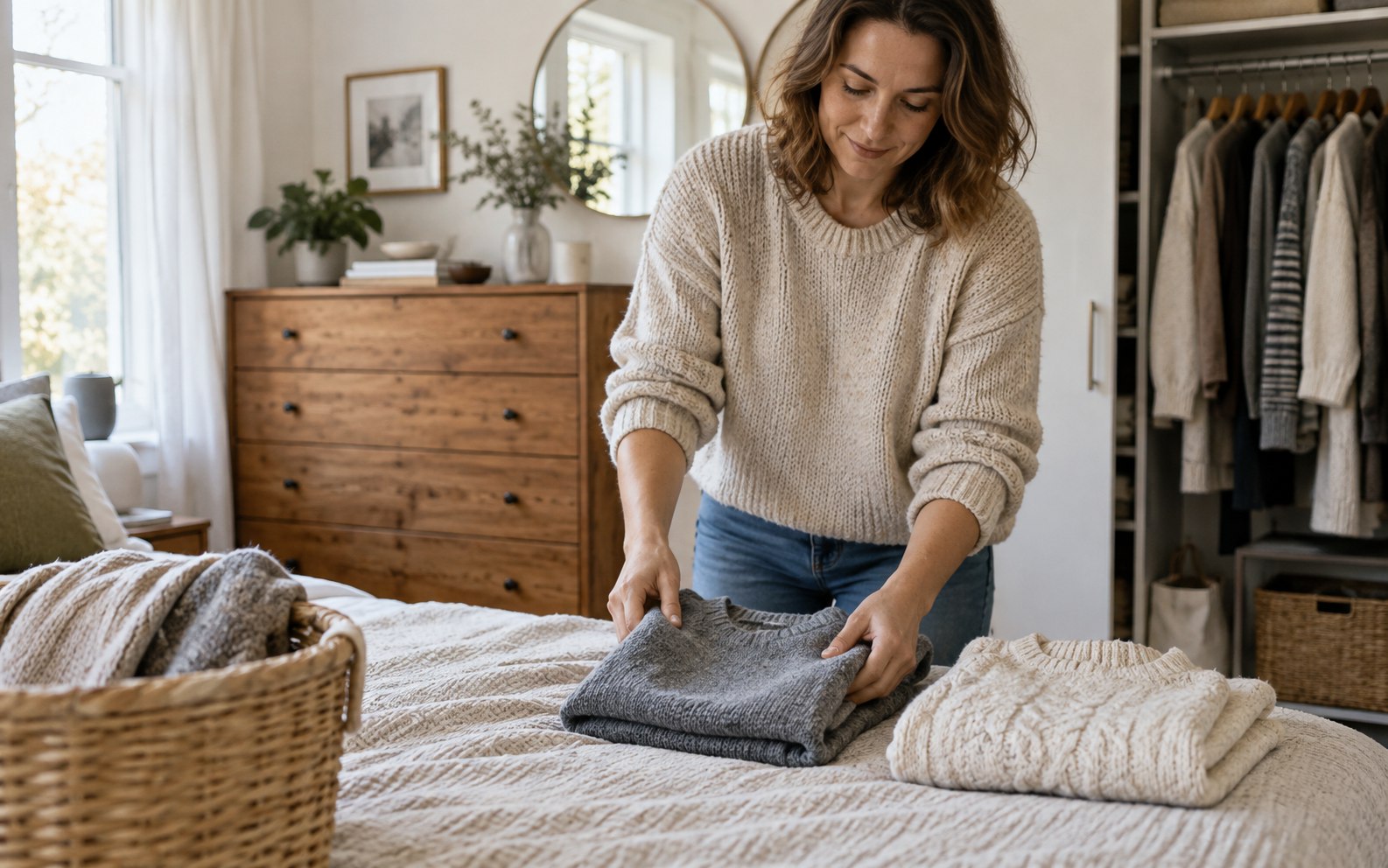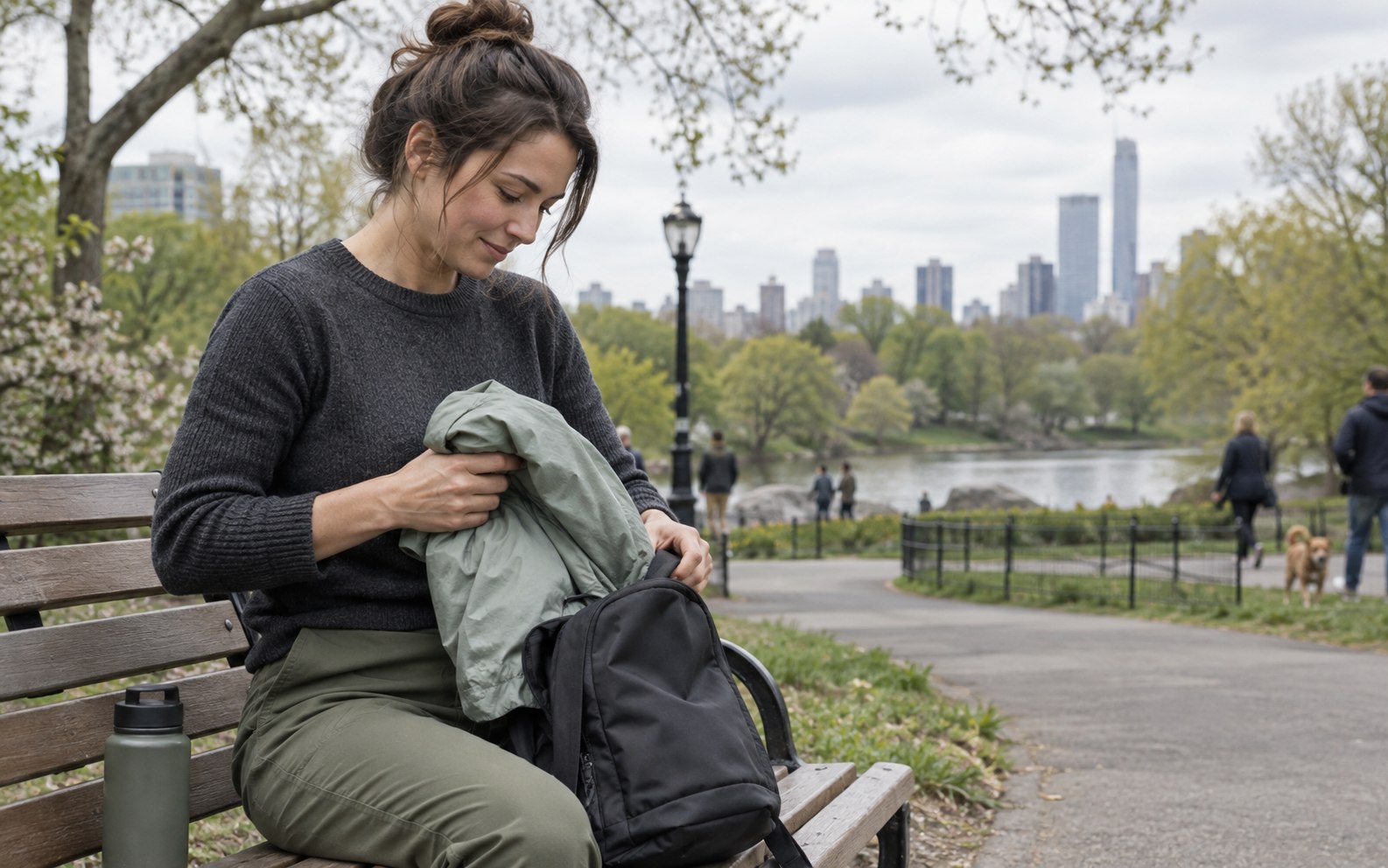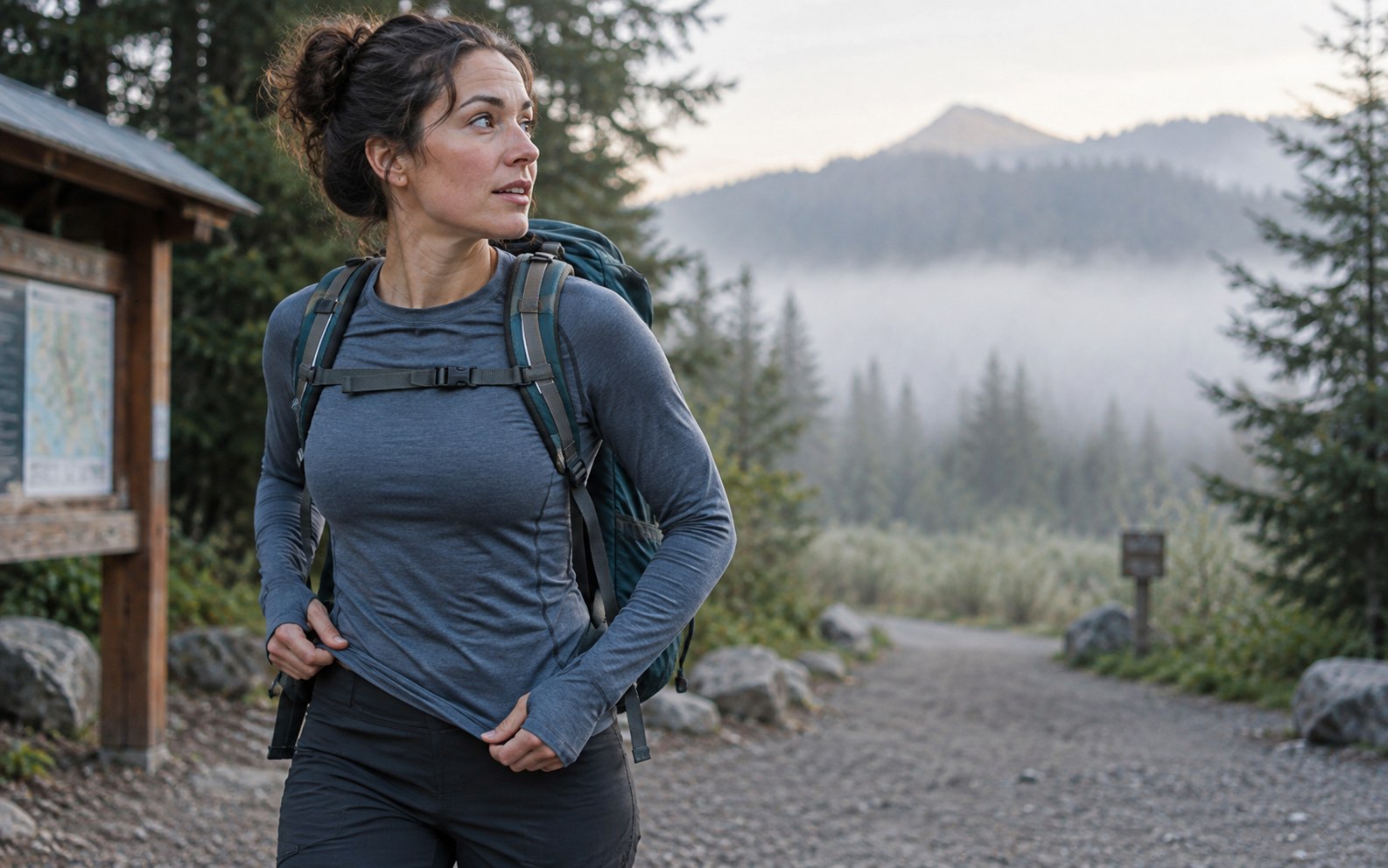
A cool trailhead can become a sunny climb within an hour, while a damp shirt feels colder during the quiet break at the top. A base layer should help manage that swing without restricting movement under the next layer.
Fabric weight, moisture management, seam placement, length, stretch, and odor expectations all influence comfort. The warmest option is not automatically the most useful for high-output activity.
The most useful choice is rarely the model with the longest feature list. It is the one that fits the place it will live, the person who will use it, and the maintenance they will realistically complete. Start by writing down the recurring frustration you want to remove.
What matters in daily use
Use these checks to narrow the field before comparing finishes, bundles, or limited-time promotions.
- Choose a close but non-restrictive fit so the fabric can sit against the skin.
- Match fabric weight to exertion as well as the forecast temperature.
- Check seams where backpack straps or waistbands will apply pressure.
- Test sleeve and torso length while reaching and bending.
- Plan how often the layer can be washed and fully dried during the trip.
Confirm important specifications on the current manufacturer or retailer page. Materials, included parts, compatibility, and instructions can change without notice.
A scenario-based shortlist
These product types solve different versions of the problem. MagazineSaaS has not physically tested the individual models linked below; the shortlist is a practical framework for further research.
Lightweight synthetic base layer
Best for: High-output activities and frequent washing.
Tradeoff to consider: May retain odor sooner than some alternatives.
Explore current options ↗ Retail search link; no tracked affiliate ID is active at publication.Merino-blend base layer
Best for: Multi-day wear and variable temperatures.
Tradeoff to consider: Often costs more and needs gentler care.
Explore current options ↗ Retail search link; no tracked affiliate ID is active at publication.Midweight thermal base layer
Best for: Lower-output cold-weather use.
Tradeoff to consider: Can overheat during steep climbs.
Explore current options ↗ Retail search link; no tracked affiliate ID is active at publication.Think beyond the checkout
Purchase price is only one part of value. Consider storage, cleaning, replacement parts, consumables, charging space, return shipping, and the time required to keep the product working well. A slightly simpler item can be the better long-term buy when it is easier to use and maintain.
If fit, comfort, or color matters, preserve the packaging and tags until you have checked the item indoors. For installed products, read the return policy before drilling, cutting, washing, or discarding protective material.
Before you buy
Avoid using cotton as the default next-to-skin layer for cold, wet, or remote activities where slow drying can become uncomfortable. Match every fabric choice to the actual conditions and safety plan.
Measure the product and the route it must travel, open, charge, dry, or store. Check who handles warranty service, what the return window excludes, and whether commonly replaced parts are readily available.
The bottom line
The best base layer keeps movement comfortable across the day's changing pace. Prioritize fit and moisture strategy, then add warmth through layers that can be adjusted independently.
Choose the option whose limitations you understand and can live with. If a listing does not clearly explain dimensions, materials, essential compatibility, care, or return terms, keep researching.